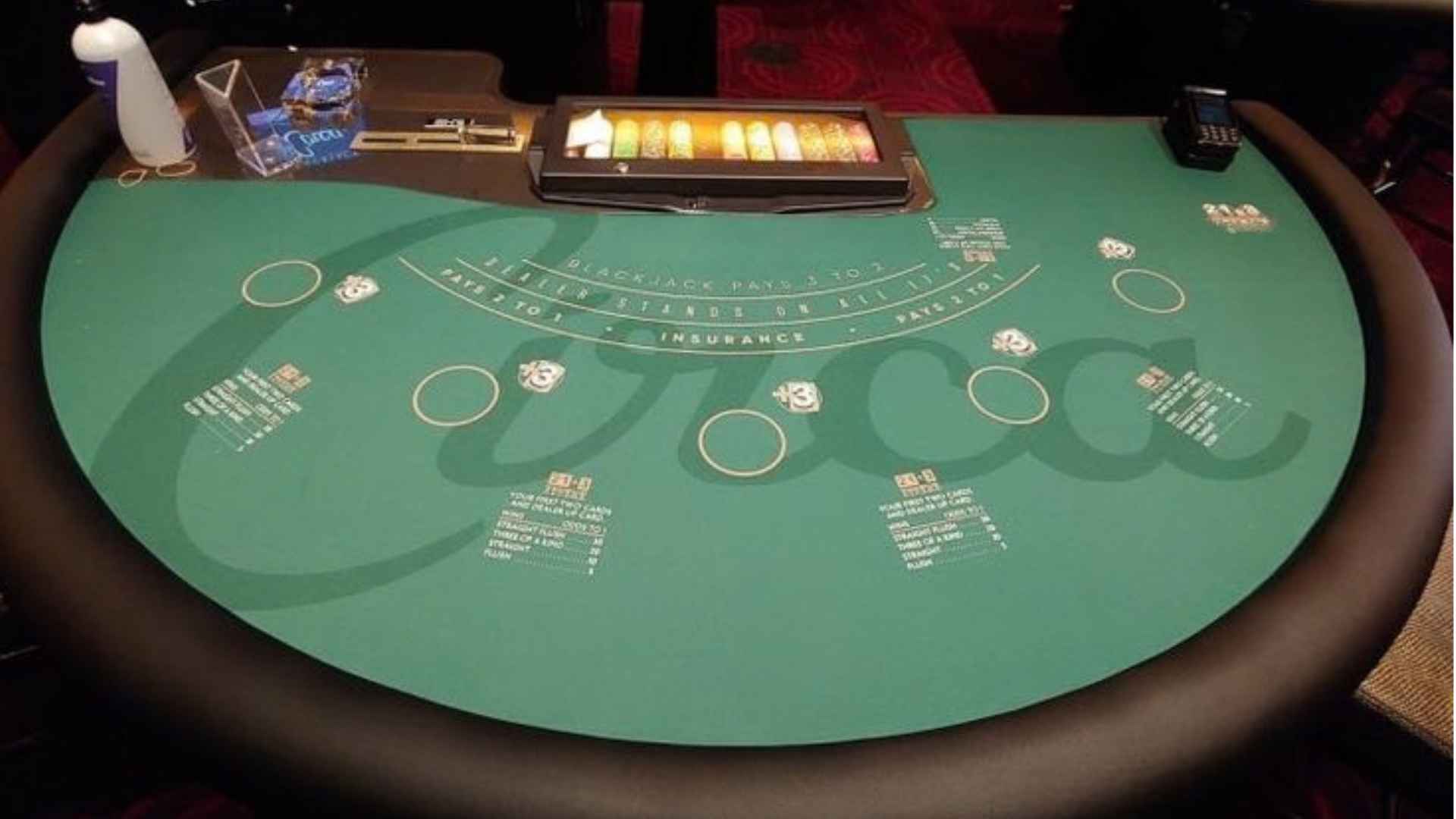
In competitive environments, the ability to make accurate choices separates successful strategists from those who frequently stumble. Many individuals rely heavily on preconceived notions, assuming they understand their environment without verifying the facts. True success requires shifting the focus toward active data gathering and careful evaluation of real table behaviors.
The Danger of Unverified Premise
Operating on assumptions often leads to costly tactical errors across various analytical games. When a player presumes an opponent will act a certain way based solely on stereotypes, they open themselves up to severe exploitation. Relying on guesswork clouds objective judgment and prevents clear decision-making during critical moments.
Furthermore, assuming patterns exist where there are none can deplete a participant's resources very quickly. Developing a disciplined mindset means questioning initial impressions and looking for concrete proof before committing assets. Minimizing these mental errors is the first definitive step toward establishing long-term profitability.
Cultivating Focused Attention at the Table
True observation requires tracking active metrics, tracking betting speeds, and noticing deviations from baseline behaviors. Observant competitors quiet their own minds to focus entirely on how others react under immediate psychological pressure. This intentional focus provides a continuous stream of reliable data that can be used to form better counters.
By systematically monitoring concrete actions, you can uncover hidden vulnerabilities that standard players completely miss. For instance, studying how a rival handles a changing board state provides clues about their actual confidence level. For individuals seeking a structured platform to test these observation skills, visiting M88 Mansion offers an engaging space to analyze live strategic shifts.
Formulating Strategies Based on Direct Evidence
Once accurate data has been collected, the next step involves transforming those insights into calculated tactical movements. Rather than hoping for a favorable outcome, a skilled player executes plays backed by hard evidence gathered during the session. This evidence-based approach ensures that your adjustments remain balanced and highly effective.
Adjusting your approach to fit the exact tendencies of your current opponents yields far better results than following rigid, generic charts. If the evidence shows a rival folds under specific conditions, executing a targeted bluff becomes a statistically sound choice. Grounding every action in verified observation removes emotional variance and builds sustainable winning habits.
Maintaining Emotional Composure and Objectivity
Remaining objective throughout an extended session is challenging when unexpected outcomes threaten to disrupt your focus. Devolving into emotional decision-making usually happens when a participant allows frustration to replace logical analysis. Successful players train themselves to view every development as an isolated data point rather than a personal setback.
Keeping your expressions uniform and your analytical focus sharp prevents opponents from reading your strategic intentions. Composure serves as the protective shield that allows your observational skills to function optimally without internal bias. Ultimately, prioritizing real-time facts over personal assumptions ensures steady growth and competitive dominance.