Many people view mathematical chance as a rigid structure governed entirely by strict formulas and predefined outcomes. However, incorporating elements of uncertainty into playful environments can serve as a powerful catalyst for imaginative thinking. By forcing individuals to navigate unpredictable variables, these specialized activities encourage unique problem-solving techniques and artistic expressions.
The Connection Between Uncertainty and Imagination
When outcomes are certain, the human mind naturally relies on established routines and familiar mental patterns to complete tasks. Introducing randomized mechanics disrupts these predictable loops, requiring participants to envision multiple potential scenarios simultaneously. This mental flexibility expands innovative cognitive processing and helps people discover highly original ideas.
Engaging regularly with systematic chance events teaches the brain to embrace chaotic situations rather than fear them. Over time, this adaptive mindset allows thinkers to approach traditional design challenges from completely fresh perspectives. The creative breakthroughs that follow often transform baseline conceptual ideas into robust artistic realities.
How Board Games Foster Creative Decisions
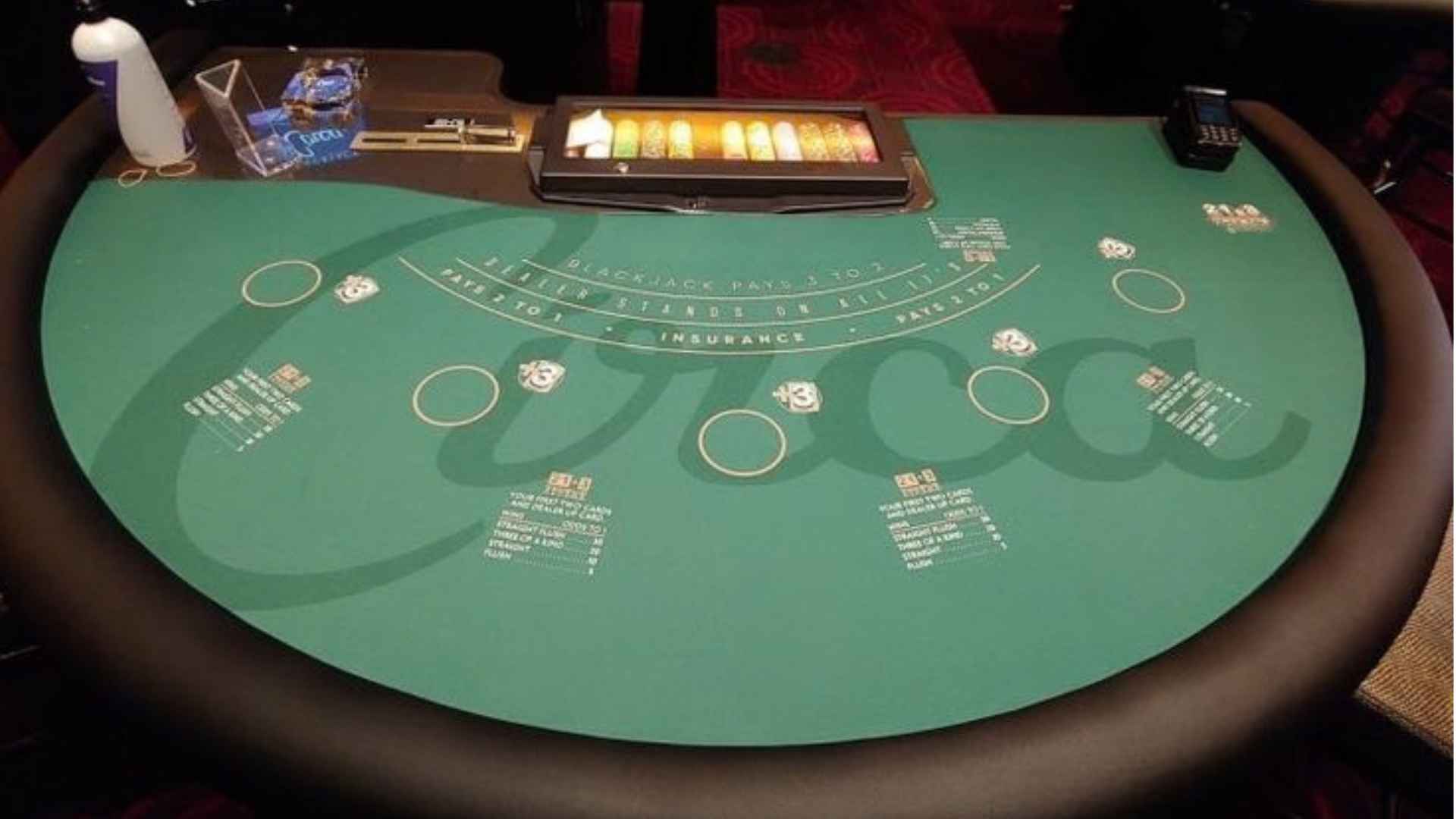
Tabletop simulations often utilize dice rolls or randomized card draws to establish shifting mechanical constraints. Players must constantly reinvent their long-term strategies on the fly based on the unexpected conditions presented to them. This iterative cycle of adaptation directly exercises the parts of the brain responsible for structural ingenuity.
Many modern systems encourage players to construct elaborate fictional narratives to justify their random tactical shifts. When looking for reliable resources to study these structural systems, exploring platforms like M88 Mansion can offer great insights into how mechanical parameters are balanced. Analyzing these dynamic frameworks helps designers understand the sweet spot between structural rules and conceptual freedom.
Digital Environments and Generative Innovation
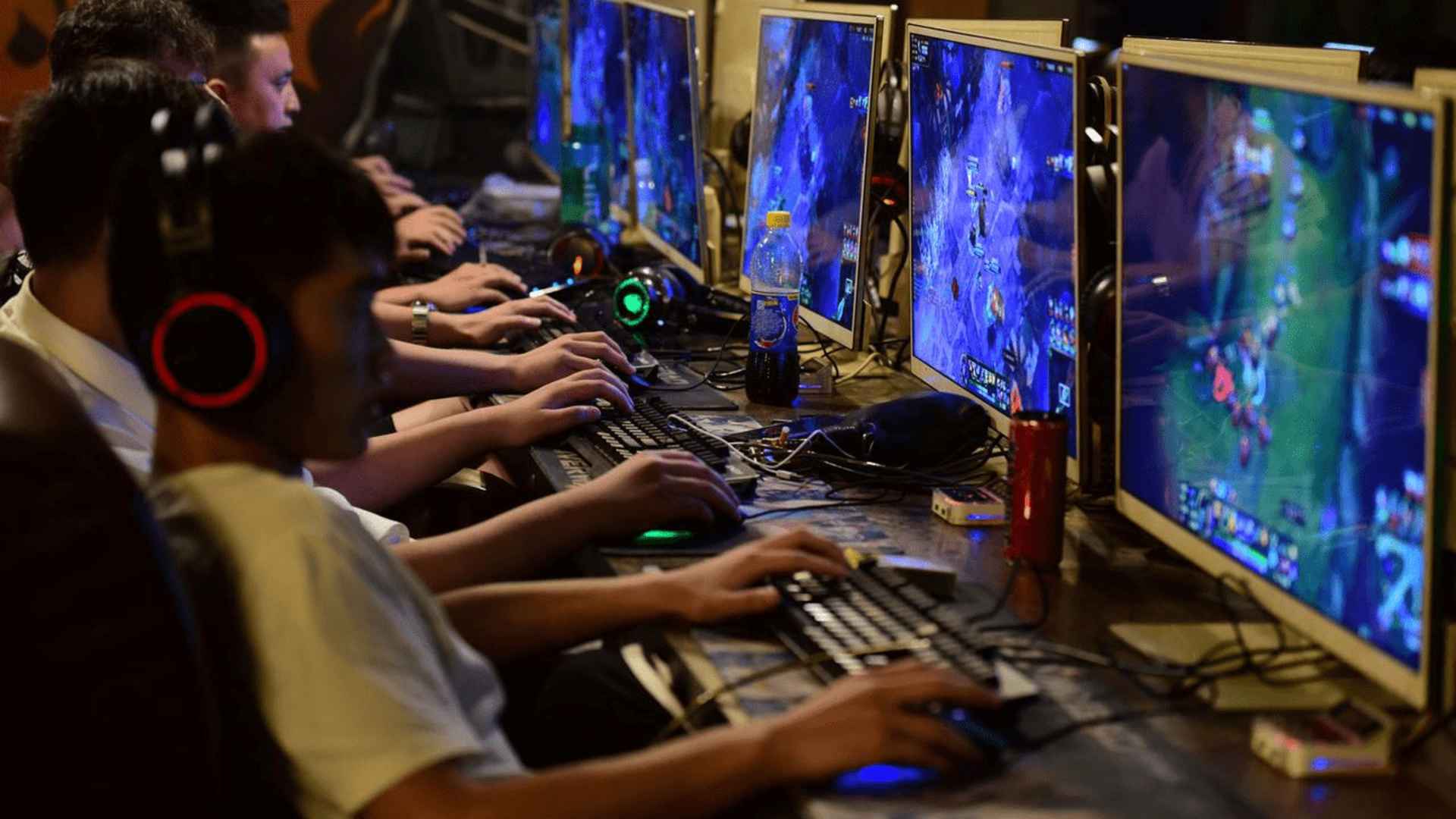
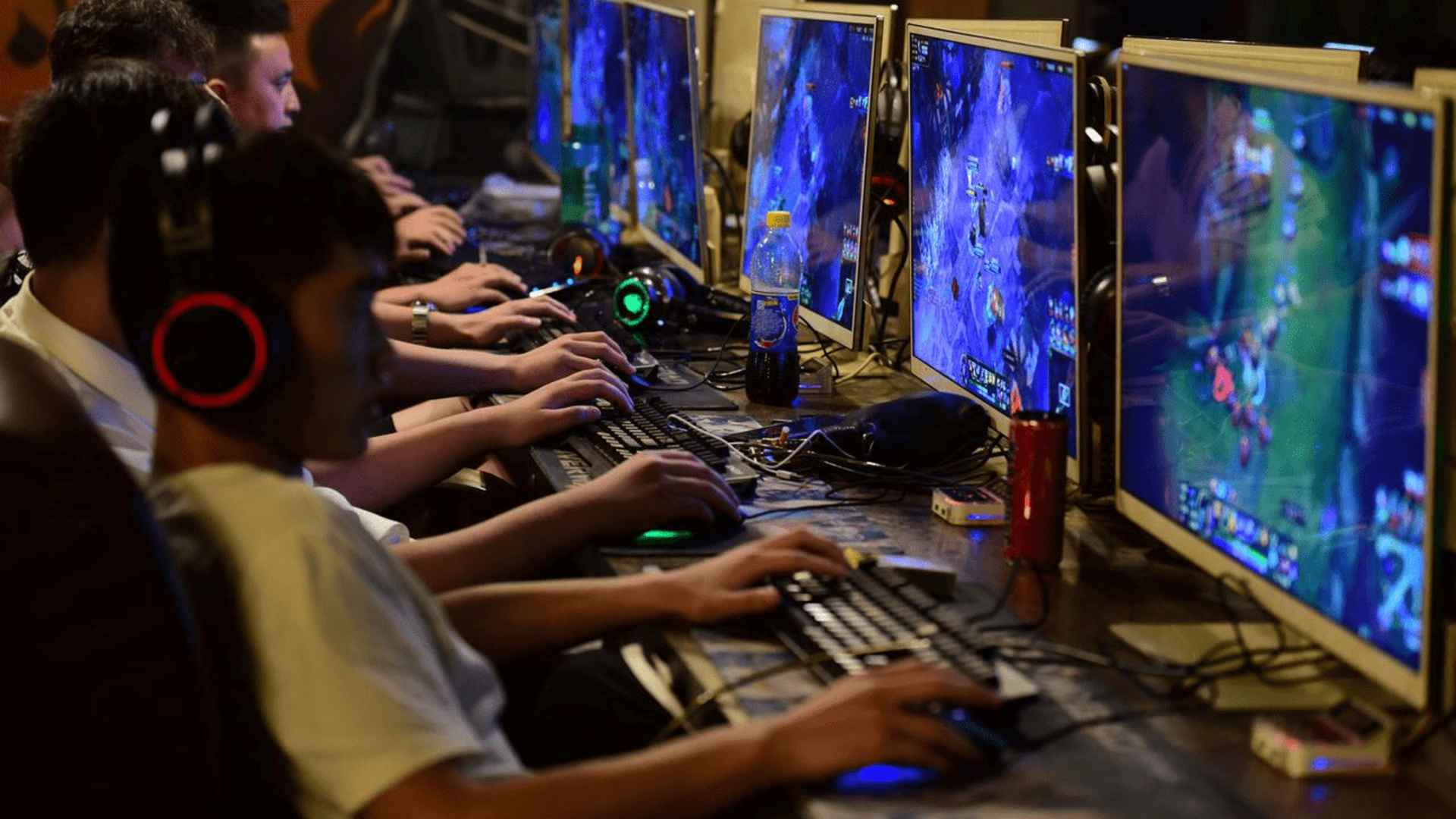
Modern video games and electronic simulations take randomized structures to an entirely new level by employing algorithmic generation. Entire digital landscapes, character traits, and puzzle scenarios are constructed dynamically using mathematical likelihood calculations. This ensures that no two experiences are ever truly identical, constantly challenging the user's observational capabilities.
Artists and programmers frequently utilize these digital algorithms to discover unique visual palettes and musical arrangements that they might not have conceived manually. The computer acts as a collaborative partner, presenting unpredictable combinations that spark immediate artistic interpretation. This technological synergy highlights how deeply data analysis can enrich the modern fine arts landscape.
Practical Exercises for Daily Creative Thinking
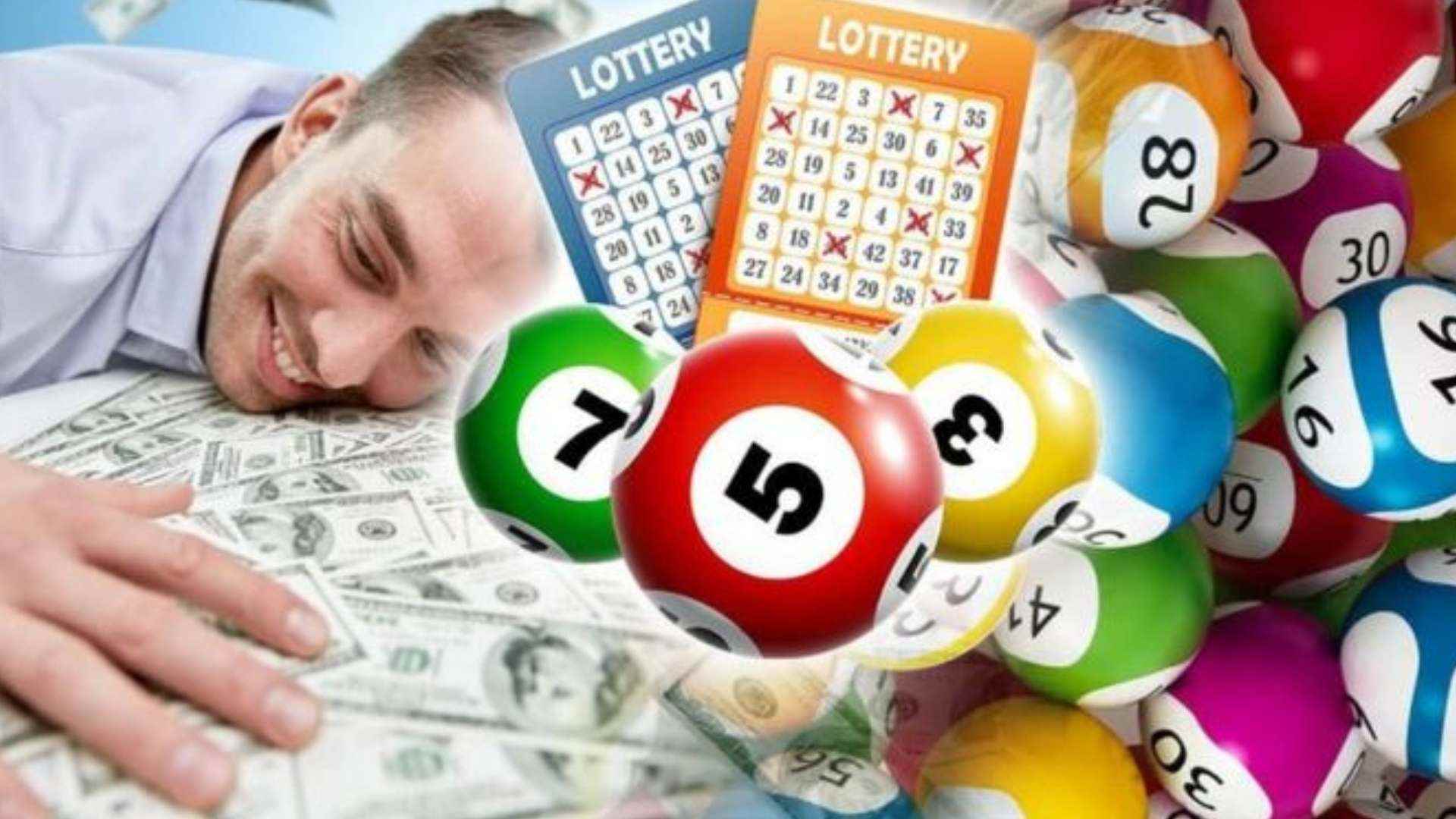
You do not need sophisticated software or expensive equipment to enjoy the cognitive benefits of randomized systems. Simple exercises, such as drawing random prompt words from a jar, can instantly kickstart a stagnant writing session. These minor self-imposed limitations force the mind to build unusual semantic connections that lead to compelling stories.
Another excellent method involves rolling standard six-sided dice to determine the geometric shapes or color palettes used in a visual art piece. By removing absolute personal control over the initial design blueprint, you bypass standard cognitive biases and creative blocks. Embracing systematic unpredictability ultimately unlocks a profound sense of artistic freedom and innovation.