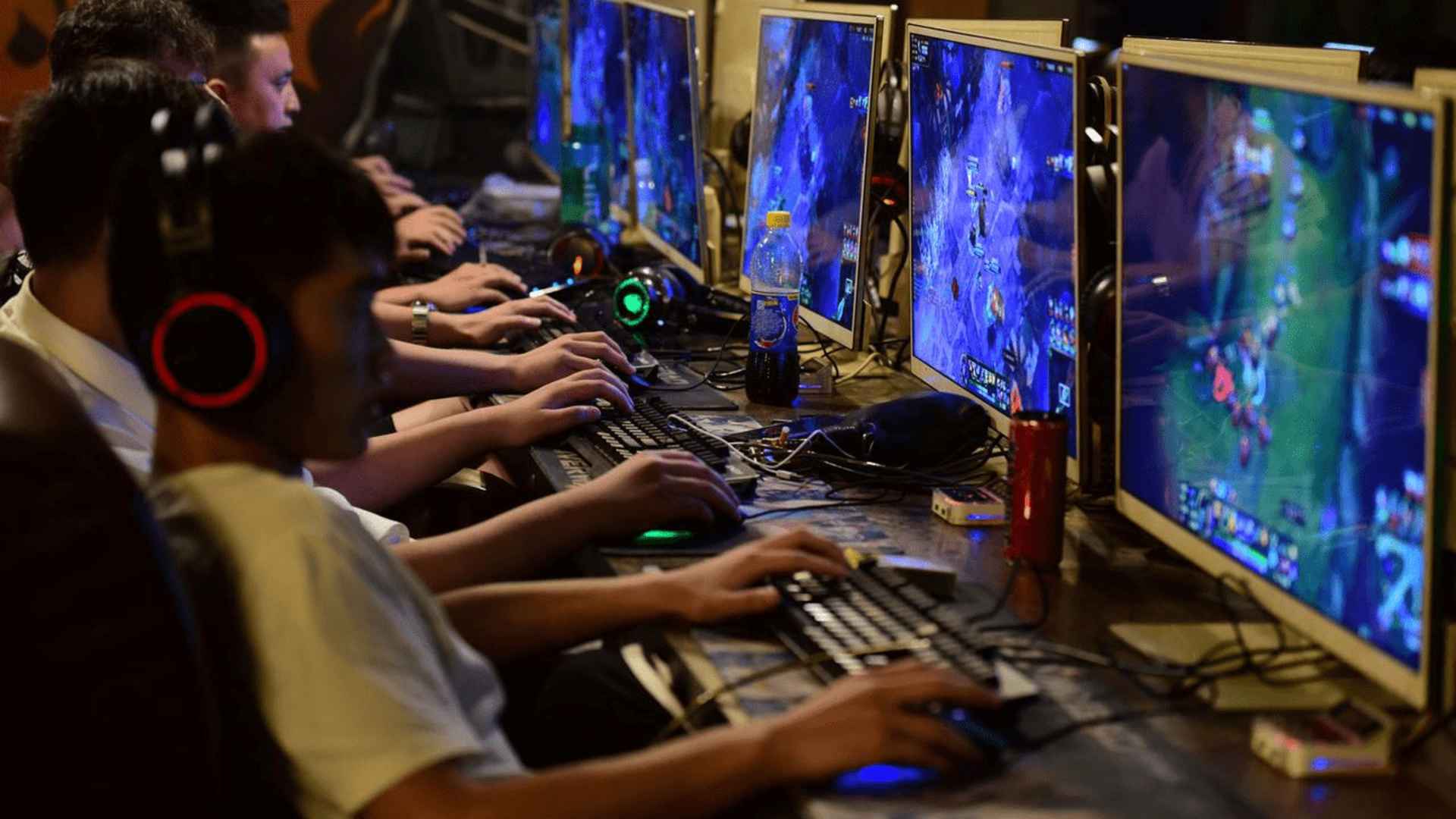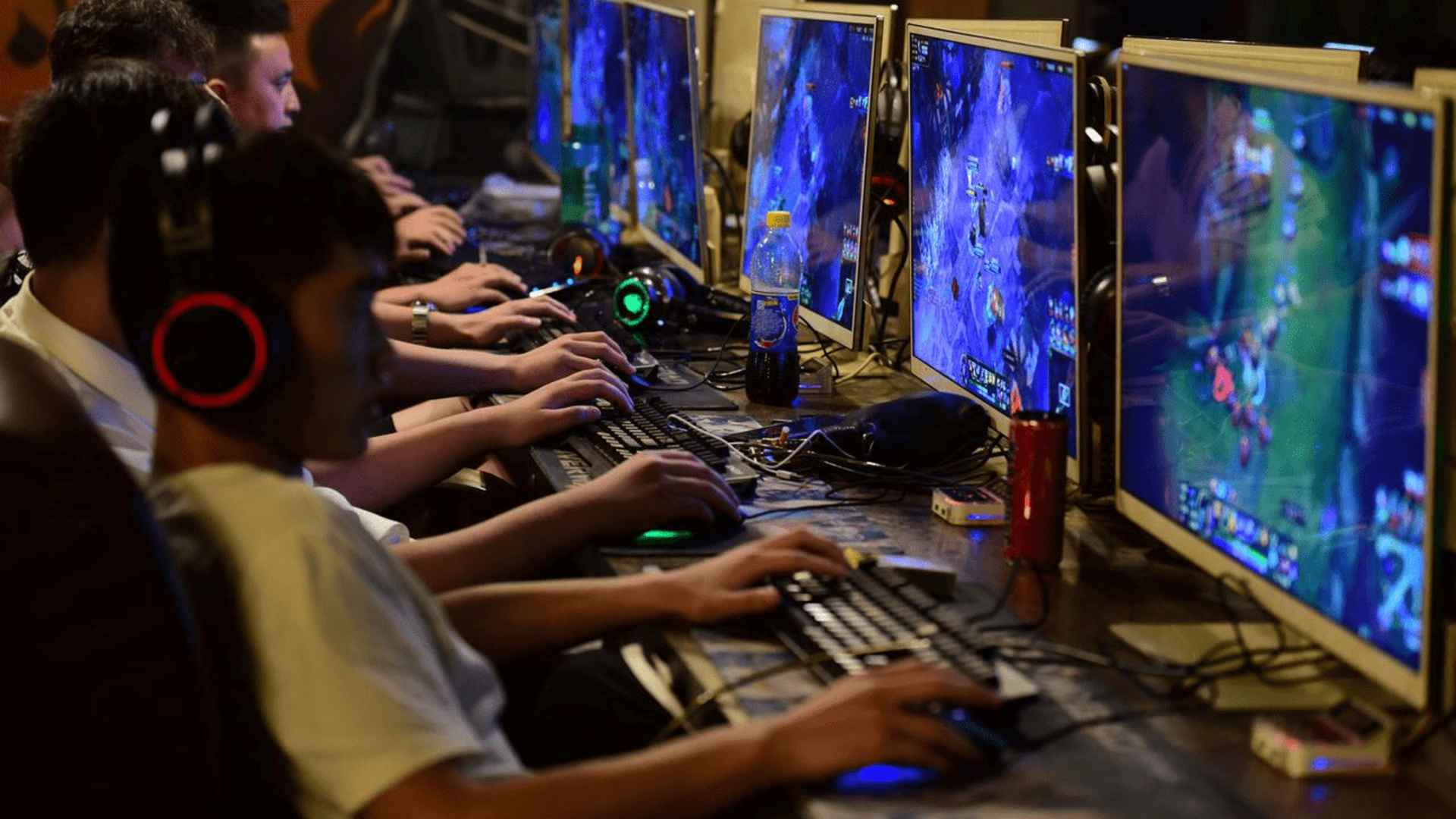
The modern digital landscape has fundamentally reshaped how players interact online, transforming video games from solitary hobbies into bustling digital spaces. Today's gaming communities thrive on continuous rivalries and collaborative challenges that keep the experience fresh for months or years. These interactive platforms provide endless opportunities for enthusiasts to connect, test their skills, and establish long-lasting social circles.
The Appeal of Continuous Rivalry
Unlike traditional games that feature static endings, modern multiplayer environments leverage recurring challenges to maintain player engagement. The desire to outsmart real opponents drives continuous self-improvement and keeps players returning to their favorite virtual arenas daily. This constant evolution ensures that the competitive landscape never feels stagnant or repetitive.
Furthermore, these platforms offer dynamic environments where individuals can form distinct rivalries within their social groups. Overcoming shared obstacles and climbing up localized leaderboards provides players with a profound sense of achievement. This unique structure satisfies the human need for both competition and community interaction simultaneously.
Building Communities Beyond the Game
Successful modern platforms recognize that the interaction outside of active matches is just as vital as the gameplay itself. Players frequently gather in specialized digital hubs, sharing complex strategic plans and analyzing recent match outcomes with their peers. These social environments foster deep bonds that extend far beyond simple tournament participation.
To discover versatile platforms that support diverse entertainment preferences, enthusiasts can visit M88 Mansion to explore various collaborative environments. Engaging with established hubs allows communities to experience structured challenges that enhance overall group dynamics. These interactive spaces ultimately turn casual encounters into meaningful, long-term friendships.
Strategies for Long Term Engagement
Developers sustain these online ecosystems by introducing regular updates, seasonal tournaments, and community-driven events. These frequent modifications force groups to continuously adapt their tactical approaches and master new mechanics. The ongoing learning curve ensures that experienced veterans and newer participants alike find something compelling to explore.
Moreover, modern matchmaking algorithms successfully pair individuals with opponents of similar skill development levels. This balanced approach reduces frustration while keeping the competitive tension optimal for all participants. As communities grow, these systems guarantee that the spirit of fair competition remains alive and well.