Stepping up to a live or virtual card game requires more than just understanding the values of your dealt hand. Developing a sharp command over technical table shorthand allows competitive individuals to process complex situations efficiently and execute strategic plays with complete clarity. Transitioning from basic definitions to advanced table terms ensures that you can confidently keep up with the fast-paced action of any modern session.
The Core Mechanics of Betting Terms
Every round of a strategic card game flows through a specific sequence of actions that dictate how chips are committed to the pool. When you choose to match the highest active wager on the table, you are executing a classic play known as calling. If you want to increase the pressure on your opponents, you can choose to raise by adding more chips to the current betting requirement.
Passing the action to the next person without risking any of your own chips is possible through a tactical move called checking. However, this option is only available if no previous bets have been made during the active round. If the stakes become too high or your cards lack sufficient structural strength, folding allows you to surrender your cards safely.
Understanding Groupings and Board Textures
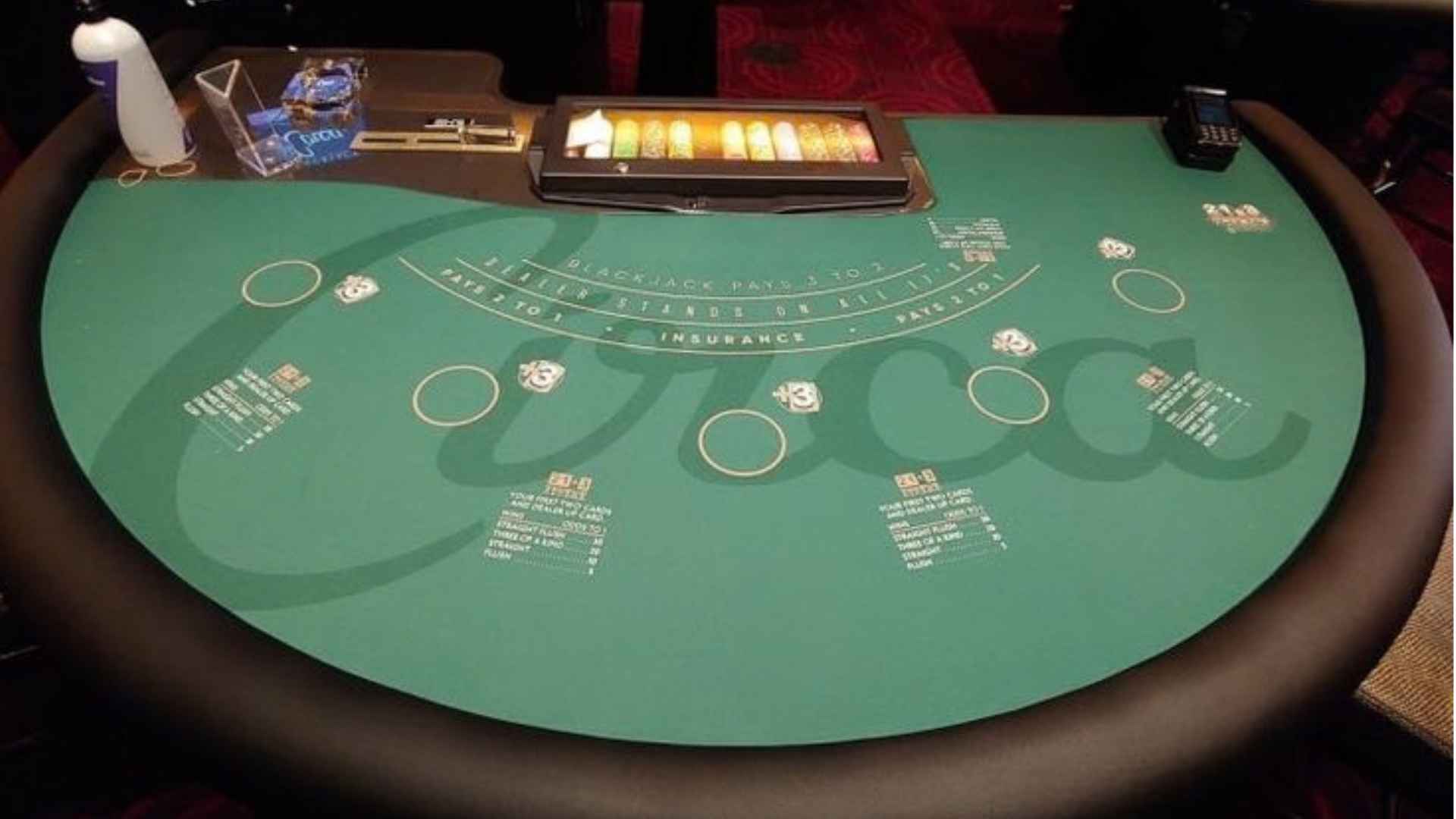
To evaluate your winning potential accurately, you must learn to categorize the community cards that are dealt face-up in the center of the felt. The collective structure of these shared cards is often referred to as the board texture, which can vary from highly coordinated to completely random. Recognizing whether the texture favors straight or flush possibilities allows you to make calculated decisions under intense pressure.
Analytical players often sort combinations into premium holdings and speculative hands to structure their long-term approaches. Experienced competitors utilize platforms like the M88 Mansion platform to observe table dynamics and study how different textures affect betting patterns across varying formats. Mastering these grouping terms helps you communicate seamlessly with other enthusiasts during complex hand analysis sessions.
Psychological Concepts and Table Dynamics
Beyond the fundamental mechanics, the mental aspect of card games introduces a unique dialect that describes participant behavior. A bluff occurs when an individual makes a large, aggressive wager with a weak hand to convince opponents to forfeit superior cards. Recognizing the subtle patterns behind this specific tactic is essential for building strong defensive habits at the table.
Conversely, a slow play involves playing a highly powerful hand passively to disguise its true strength and trap overly aggressive opponents. Understanding this terminology helps new participants look past basic intuition and transition into highly structured strategic thinking. By mastering these behavioral terms, you can read the subtle flows of a live session with much greater accuracy.
Managing Fluctuations and Statistical Realities
Succeeding over a long series of games requires a solid familiarity with concepts related to risk management and mathematical variance. A bad beat describes a frustrating scenario where a highly favored, statistically dominant hand loses to an unlikely card on the final round. Learning to accept these natural shifts in momentum is a critical step toward maintaining strong mental composure.
The overall collection of chips accumulated in the center of the table during an active hand is universally known as the pot. Tracking how this pool grows in relation to your remaining stack size is vital for making profitable strategic calculations. Internalizing this specialized vocabulary transforms complex mathematical calculations into simple, actionable concepts during your daily training routines.