Baccarat has undergone an extraordinary transformation over the centuries, shifting from exclusive noble gatherings into a dynamic cornerstone of modern entertainment. While the core objective of predicting the winning hand remains brilliantly simple, the way players interact with this classic game continues to diversify. Exploring this rich historical path reveals how modern gaming technology blends with time-honored traditions to engage audiences around the globe.
The Aristocratic Origins and Private Salons
The journey of baccarat began centuries ago in Europe, establishing itself as a favored pastime among French and Italian aristocrats. Originally played in private parlors and high-society gaming rooms, it carried an aura of intense drama and heavy formality. These historical settings emphasized slow-paced social rituals and substantial stakes, creating a highly selective environment for players.
As the card game traveled across borders, regional rule sets emerged to match different cultural preferences. Variants like Chemin de Fer allowed players to take turns acting as the bank, creating a competitive peer-to-peer dynamic. This foundational period cemented baccarat as a symbol of sophisticated tactical engagement within international entertainment circles.
The Democratization of the Gaming Floor
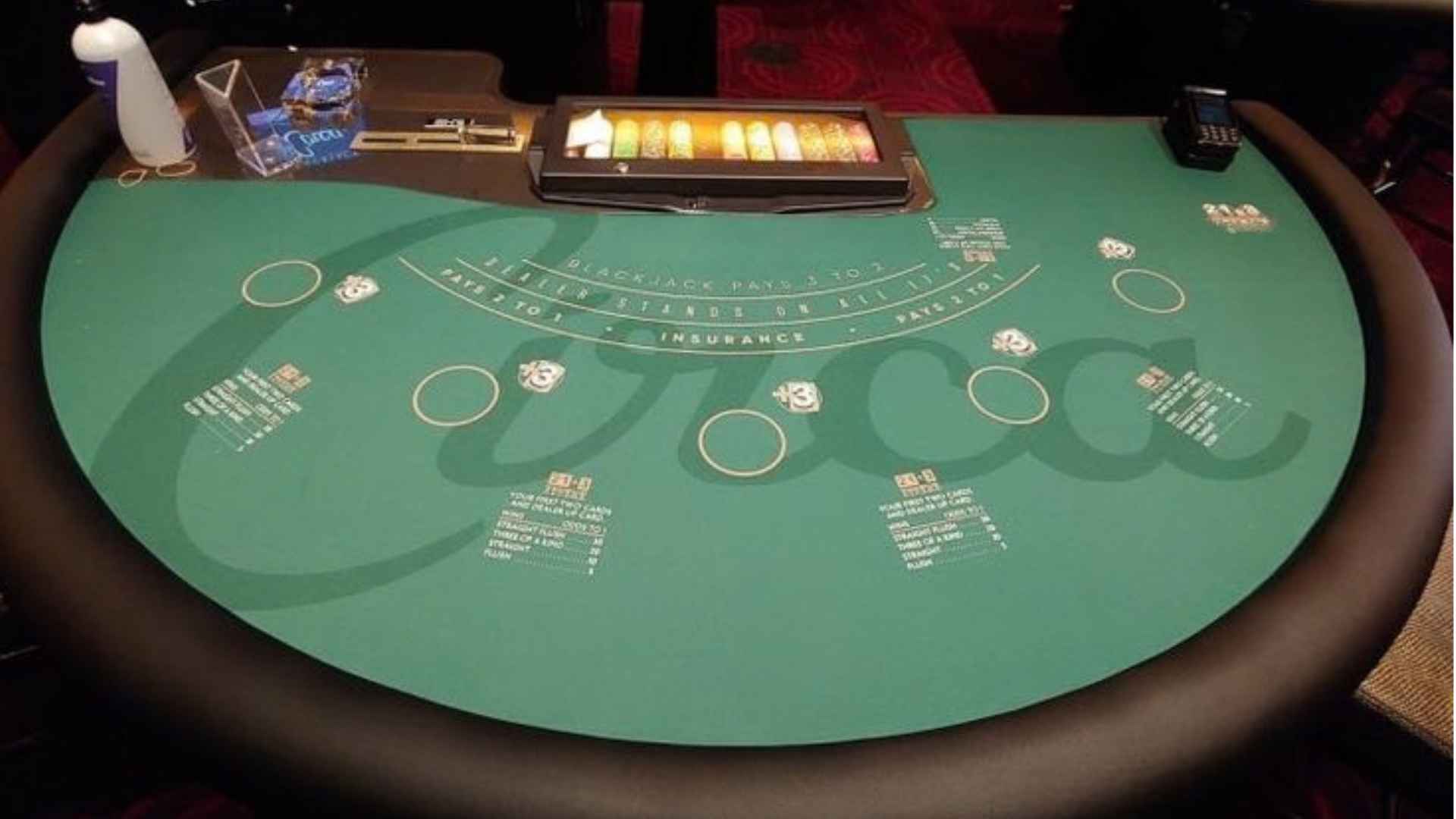
The transition into physical casinos during the twentieth century completely reshaped the accessibility of the game. The rise of Punto Banco standardized the rules, ensuring a much faster pace where the house managed all the banking responsibilities. This crucial update allowed casual enthusiasts to enjoy the thrill without mastering intricate dealing procedures.
To appeal to an even broader audience, operators introduced scaled-down physical layouts such as Mini Baccarat. By utilizing smaller tables and lowering the initial entry limits, venues successfully removed the intimidating nature of traditional high-stakes VIP rooms. Today, finding a reliable platform like the game stick m88 selection helps players explore these diverse table configurations comfortably.
Digital Renaissance and Mobile Innovations
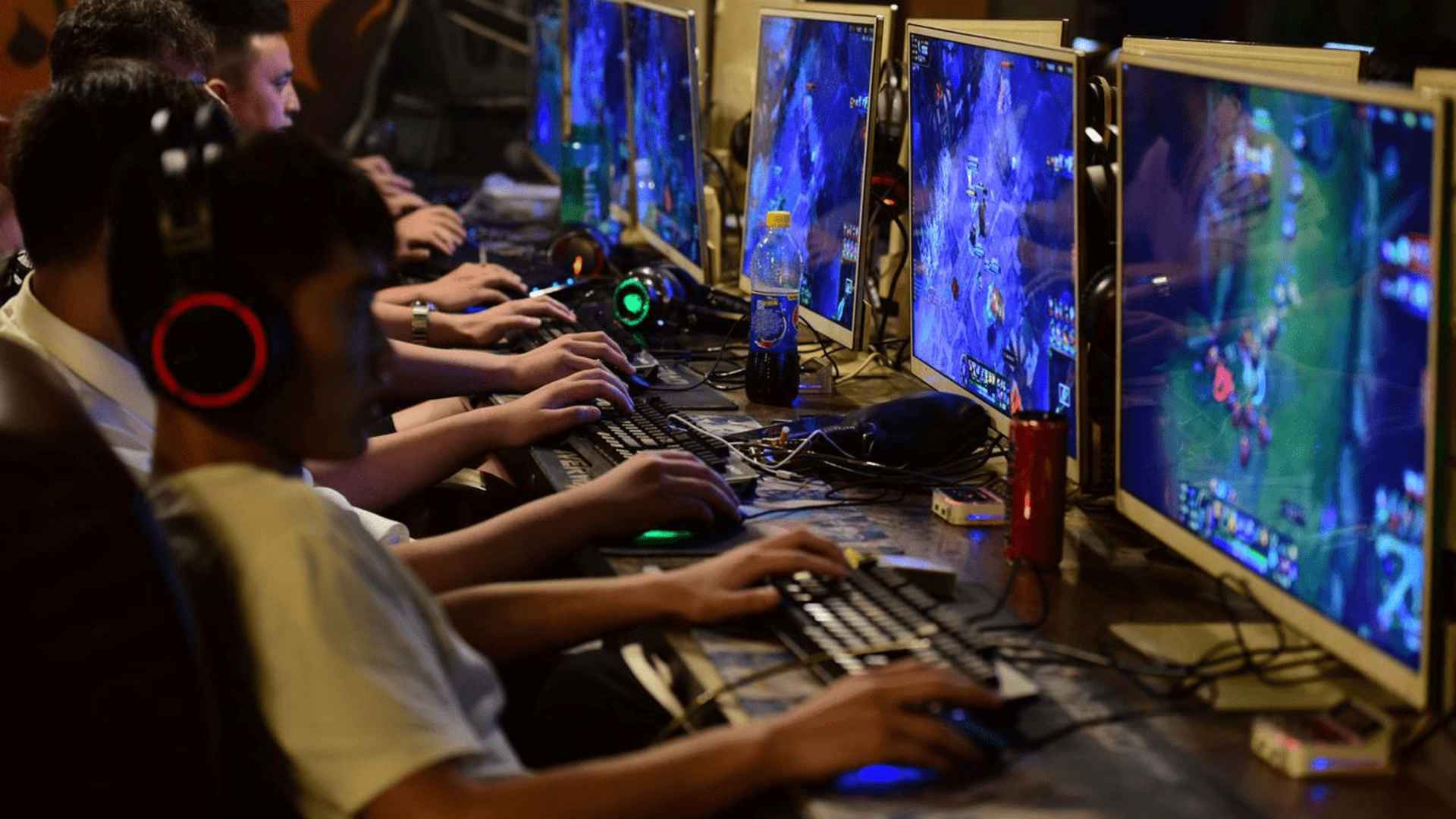
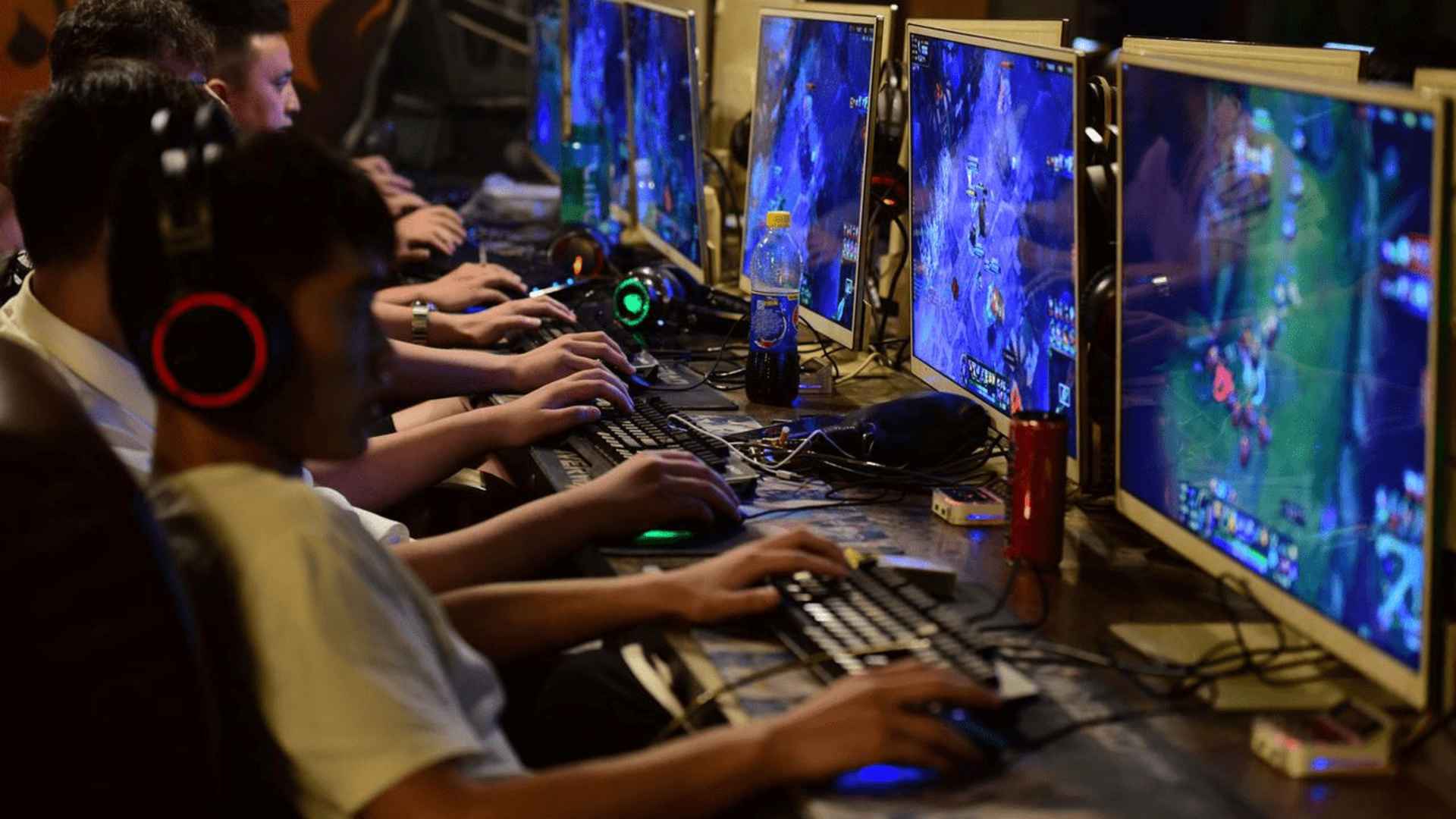
The arrival of online platforms triggered a massive wave of technological innovation for traditional card table games. Software developers successfully translated the visual simplicity of baccarat onto responsive desktop and mobile screens worldwide. Virtual formats now offer instant accessibility, detailed statistics tracking, and custom audio-visual themes that personalize every single session.
Digital innovation also enabled creative betting formats that were previously impossible on brick-and-mortar floors. Fast-paced variants compress the time between rounds, appealing directly to modern users who prefer quick gaming sessions. These virtual updates ensure that the historic card game remains highly competitive in a fast-evolving gaming market.
The Emergence of Interactive Live Dealers
Perhaps the most compelling chapter in this evolution is the massive popularity of live dealer streaming technology. Live dealer gaming perfectly bridges the gap between online convenience and the authentic social atmosphere of a physical resort. Real-time high-definition video feeds allow players to watch professional dealers manage physical cards interactively.
This hybrid environment provides absolute transparency while preserving the historical suspense that makes baccarat legendary. Unique camera angles, interactive chat options, and creative side wagers enhance the immersive quality of each round. Through these continuous adjustments, baccarat ensures its position as a modern, forward-thinking form of entertainment.