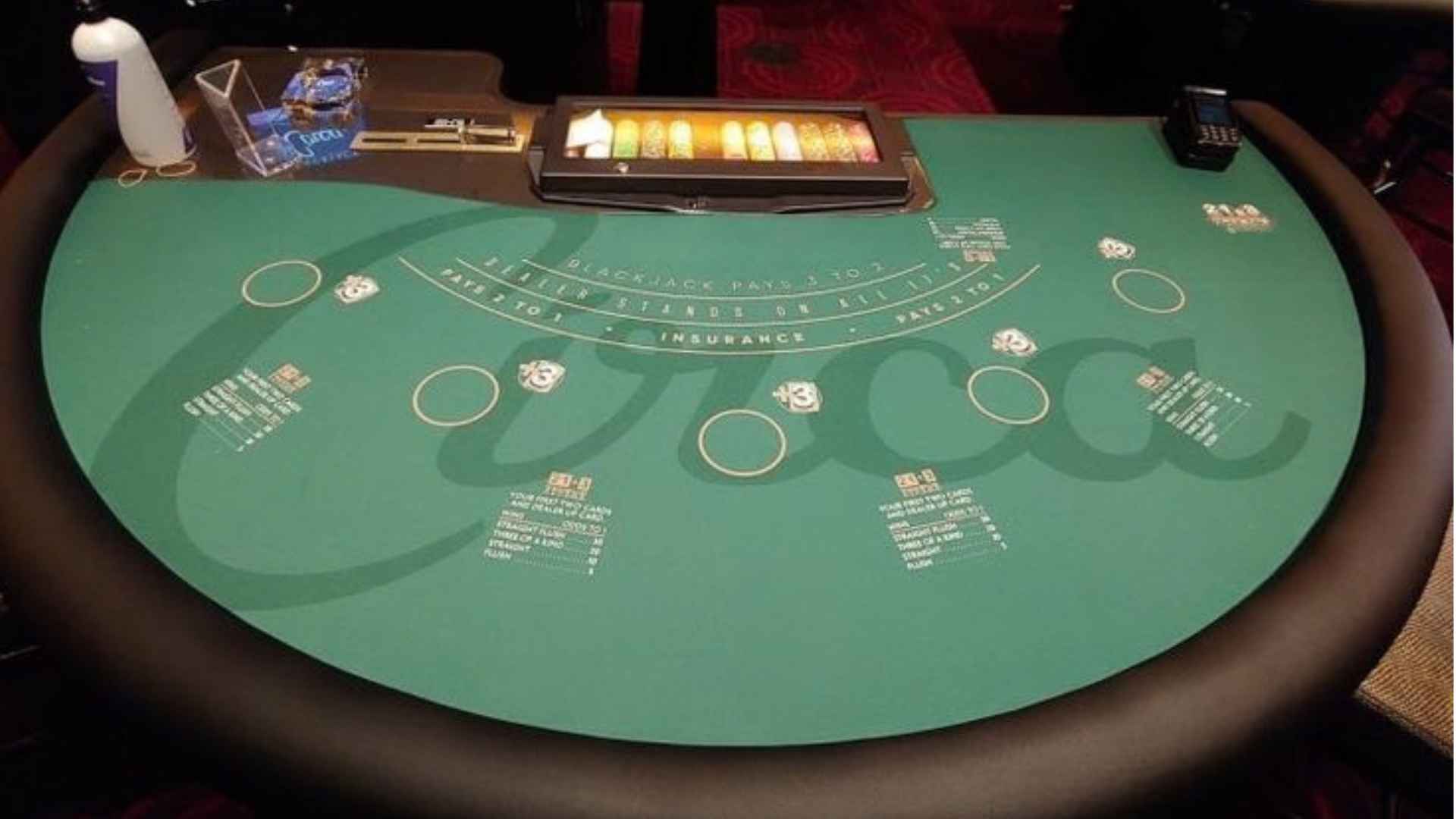
The bustling atmosphere of a casino craps table often masks the rigid mathematical framework that governs every single roll of the dice. While many casual players rely entirely on superstition or short-term luck, experienced strategic thinkers approach the game through the lens of probability theory. By understanding the numerical foundations of each potential outcome, individuals can make highly calculated decisions that systematically lower the overall house advantage.
The Core Probability Space of Two Dice
Every mathematically sound craps system begins with an evaluation of a standard probability space consisting of 36 unique outcomes. When two six-sided dice are thrown, the total sum of seven boasts the highest statistical frequency with six possible combinations. This crucial fact forms the baseline for analyzing all available wagers on the layout grid.
Devising a plan without acknowledging these permanent geometric realities often leads to rapid bankroll depletion. Smart participants focus exclusively on the most frequent combinations while completely ignoring volatile options. This mathematical discipline separates logical table enthusiasts from purely emotional gamblers.
Maximizing the Expected Value of Line Wagers
In the realm of strategic gaming, the Pass Line and Don't Pass options offer some of the highest mathematical value available on the casino floor. The Pass Line wager features a remarkably low house edge of just 1.41 percent due to the high likelihood of rolling winning totals early on. Conversely, the Don't Pass line utilizes the statistical power of the number seven to secure steady defensive outcomes after a point is established.
To optimize these standard wagers further, players often deploy full odds backing because these specific additions carry a true zero percent house edge. Utilizing statistical calculations on advanced digital platforms like M88 Mansion can help enthusiasts study how varying table rules affect their long-term expected returns. Applying this balanced mathematical combination allows you to maintain optimal equity during extended sessions.
Combating Volatility with Geometric Progression Limits
Another popular methodology involves structuring betting patterns around strict mathematical progressions to control overall variance. Rather than chasing past losses arbitrarily, logical players calculate standard deviation limits to determine exactly when to increase or decrease their table stakes. This defensive approach prevents emotional impulses from overriding pre-established financial parameters.
Sticking to rigid mathematical limits ensuring that no singular cold streak can entirely eliminate your starting capital. By treating each dice throw as an independent random event, you avoid the psychological fallacies that plague untrained gamblers. Maintaining this absolute consistency remains the ultimate mathematical shield against the house.
The Mathematical Fallacy of High-Payout Proposition Bets
The center of the craps table layout features a collection of high-payout proposition wagers that constantly tempt players with massive short-term returns. However, mathematical analysis reveals that these flashy options carry exorbitant house advantages often exceeding ten percent. From a purely statistical standpoint, consistently choosing these fields represents a highly inefficient allocation of resources.
Avoiding these high-variance traps is mandatory for anyone looking to achieve sustainable table results over time. True strategic mastery relies on patience, low house edges, and the mathematical certainty of probability distribution. By letting the numbers dictate your actions, you transform a game of pure chance into a calculated exercise in risk management.