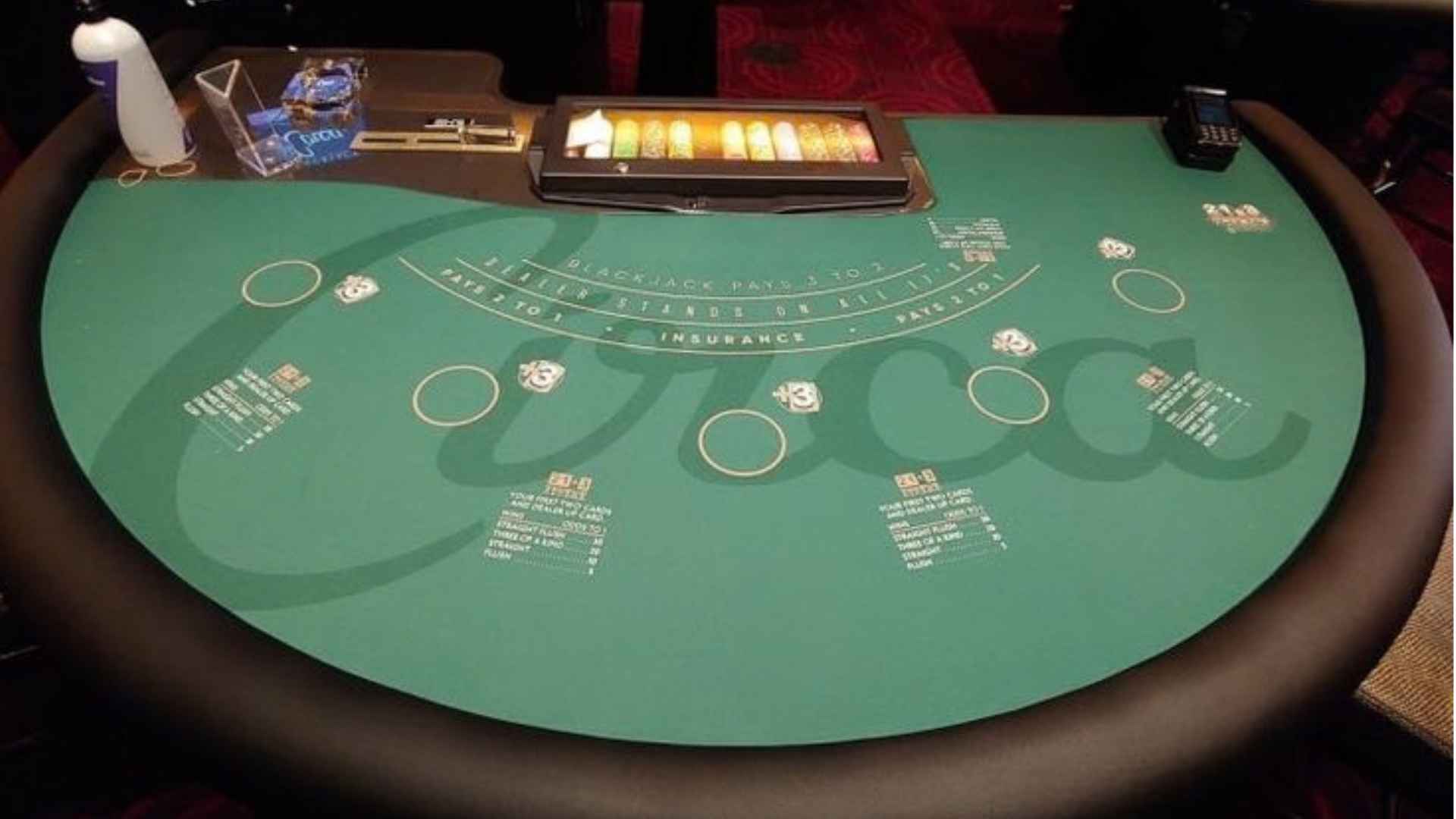
Obtaining physical currency on a gaming floor using a credit line is a common financial transaction for many visitors. Known as a cash advance, this mechanism allows individuals to draw funds directly against their credit limit at kiosks or cashier cages. Understanding the operational framework and financial impact of this transaction helps consumers make better informed personal finance decisions.
How Credit Card Cash Access Works on Gaming Grounds
When requesting currency at a gaming establishment cashier desk, the transaction is processed through a specialized financial network. Unlike retail purchasing, these transfers are flagged as instant liquidity loans by credit providers. The cashier terminal communicates directly with the issuing bank to authorize the cash withdrawal against the available limit.
Cardholders should realize that approval depends on dedicated cash advance caps rather than total credit limits. Many banking institutions restrict liquidity access to a fraction of the overall credit line to lower risk. Reading terms before attempting a withdrawal ensures guests avoid unexpected card declines at the desk.
The True Cost of On-Site Liquidity Transfers
Accessing funds via credit lines incurs multiple layers of administrative surcharges and immediate interest charges. Venue ATM operators and cashier cages typically impose flat processing fees or percentage-based service costs for each request. Additionally, issuing credit companies charge standard advance fees, which appear directly on the following billing statement.
A critical factor in these transactions is that interest begins accruing immediately without any grace period. Standard purchases allow cardholders a monthly window to avoid interest, but liquidity draws incur daily interest rates from day one. Many financial enthusiasts comparing digital options against physical venue costs research platforms like m88 to understand modern service structures. Evaluating total costs helps consumers plan entertainment budgets wisely.
Financial Rules and Issuer Restrictions
Financial institutions enforce strict parameters regarding how cash liquidity is categorized and approved. Certain banking networks automatically decline high-volume cash withdrawal attempts at gaming venues to limit fraud risks. Cardholders planning to use these services should notify their issuer beforehand to prevent security blocks.
Additionally, daily maximum limits restrict how much cash can be withdrawn during a twenty-four-hour period. Exceeding these thresholds results in declined transactions regardless of available credit room. Keeping track of cardholder agreements prevents operational issues while managing funds on location.
Practical Strategies for Responsible Budgeting
Avoiding high-fee liquidity draws requires careful preparation before visiting any entertainment venue. Setting strict budget boundaries and withdrawing cash from standard bank ATMs reduces unnecessary processing surcharges. Preparing funds ahead of time ensures a seamless experience free from high financial burdens.
If using credit liquidity becomes necessary, paying off the advanced balance immediately stops daily interest accumulation. Treating credit withdrawals as temporary, urgent solutions preserves personal credit health and prevents long-term debt buildup. Staying informed about cardholder terms empowers consumers to manage their money safely and effectively.